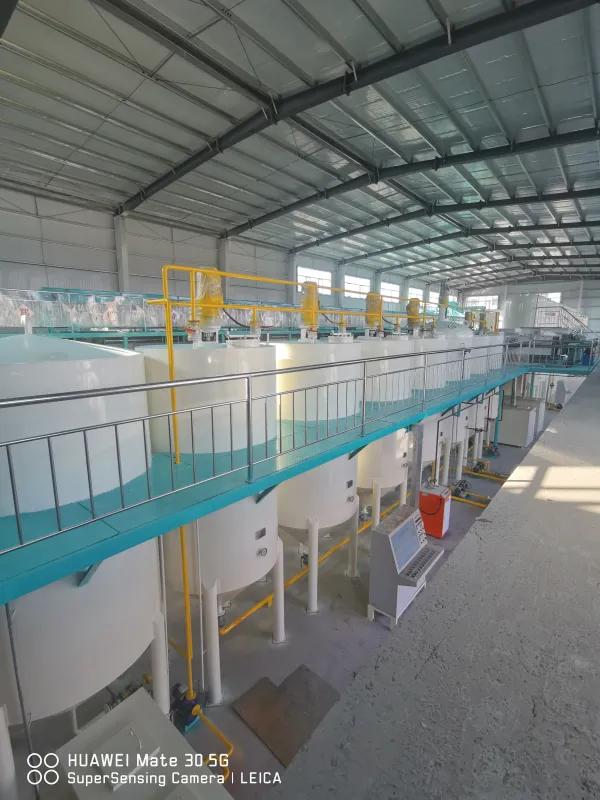
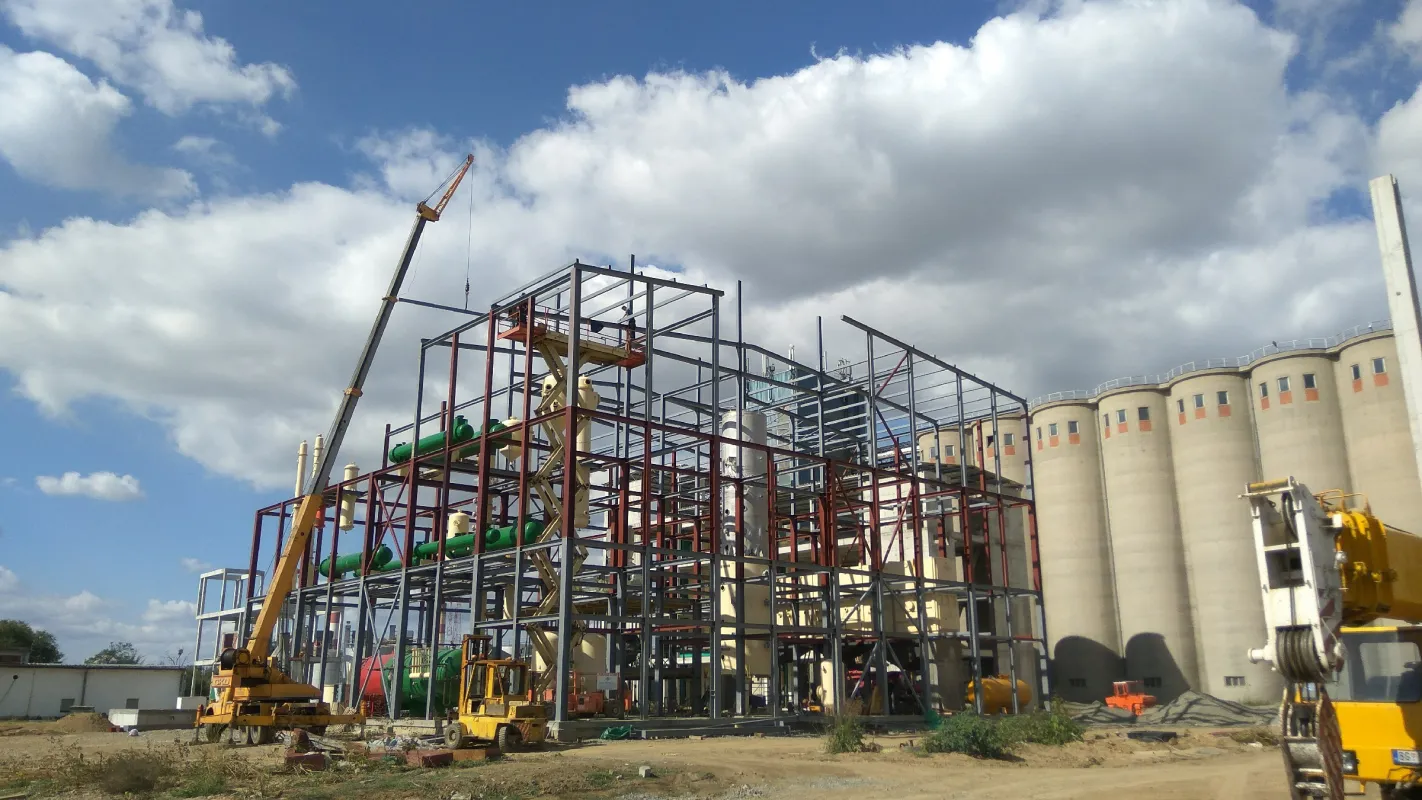
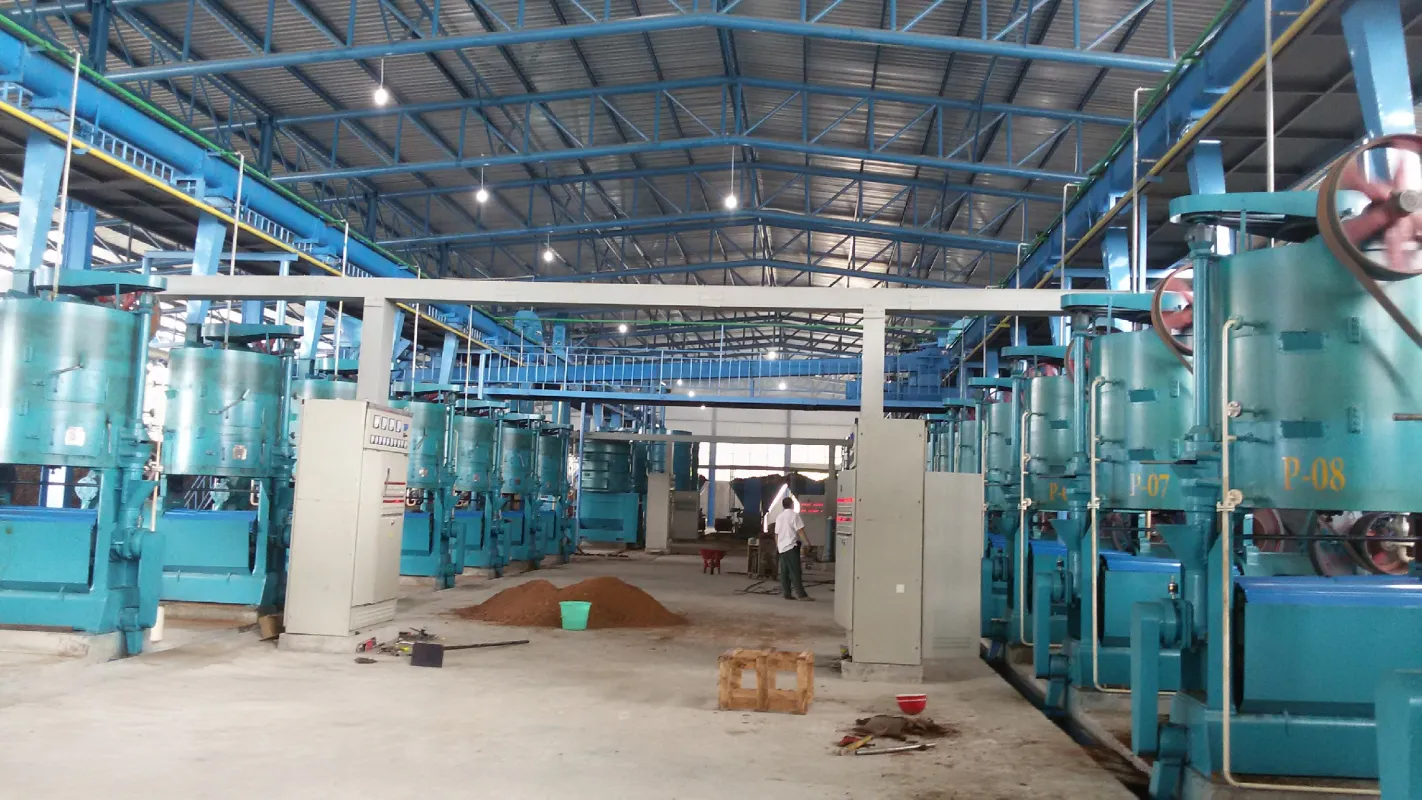
In today’s global food market, where consumers demand purity and safety, even minor microbial contamination can lead to product recalls, brand damage, and lost revenue. For small to mid-sized sesame oil producers, this risk is especially acute due to limited resources for advanced hygiene systems. But what if you could prevent cross-contamination at the source—without compromising efficiency or scalability?
According to a 2023 FDA report, over 42% of small-scale edible oil facilities experienced microbial issues linked to inadequate sealing and manual cleaning practices. Common culprits include airborne spores from unsealed tanks, residual oils in dead zones, and inconsistent sanitation protocols across shifts. These aren’t just theoretical concerns—they’re real-time threats that erode consumer trust and regulatory compliance.
Our clients have seen up to a 68% reduction in microbial counts after switching to full-closed extraction systems. The difference? It starts with design.
These aren't just specs—they're operational advantages. One Indonesian processor reported zero batch rejections after implementing our closed-loop solution over six months. Their average shelf life increased from 12 to 18 months, directly boosting margins.
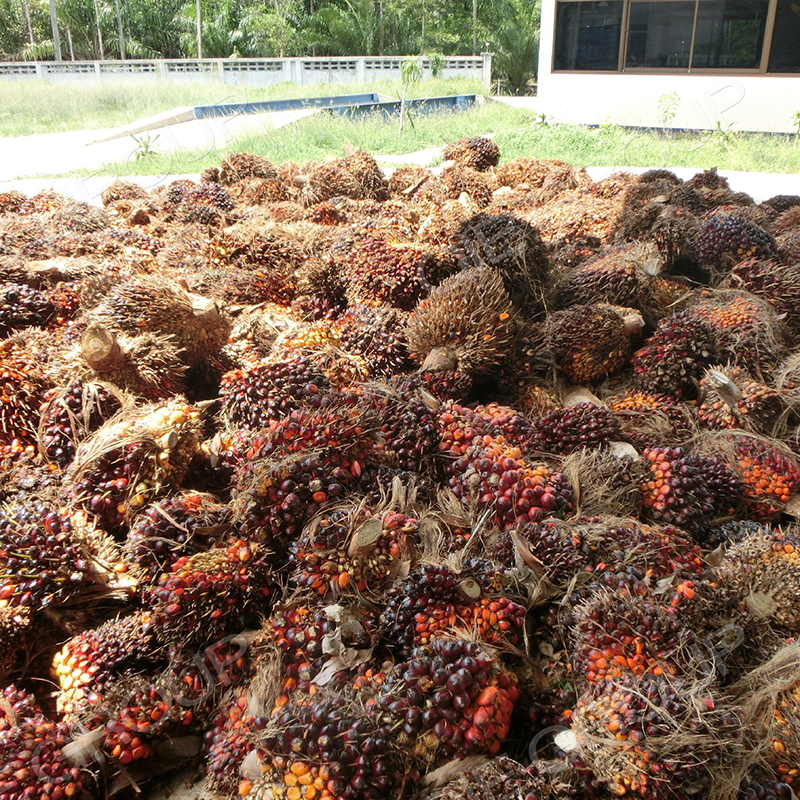
| Cycle | Action | Duration |
|---|---|---|
| Rinse | Hot water flush (80°C) | 10 min |
| Alkaline Wash | NaOH solution (2–3%) | 15 min |
| Acid Rinse | Citric acid (1%) for pH neutralization | 10 min |
With consistent execution, this protocol ensures no biofilm buildup—a common cause of recurring contamination in open systems. And because it’s automated, operators spend less time scrubbing and more time monitoring quality control.

Real-world results matter most. A Turkish manufacturer using our system saw a 50% drop in customer complaints related to off-flavors and cloudiness—issues often tied to microbial activity. They also passed their first HACCP audit without corrective actions, which previously took two years to achieve.
It’s about building a reputation for consistency. In markets like the EU and North America, buyers increasingly ask for proof of clean production—not just certificates. When your sesame oil meets or exceeds ISO 22000 standards, you’re not just meeting requirements—you’re gaining competitive leverage.
And here’s the best part: once installed, the return on investment typically pays off within 12–18 months through reduced waste, fewer rejects, and improved export eligibility.
Discover how our closed-loop system helps processors like yours eliminate microbial risks while improving yield and compliance. No price tags—just proven outcomes.
Get Your Free Technical Whitepaper NowHave questions about integrating a closed system into your existing setup? Share your challenge below—we respond within 24 hours.