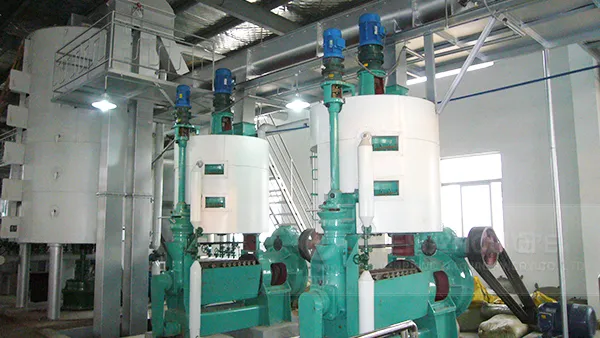
As a procurement manager or production lead in a small-to-medium canola oil plant, you’re likely balancing tight budgets with rising expectations for quality, consistency, and compliance. The right equipment choice isn’t just about upfront cost—it’s about long-term efficiency, food safety, and market credibility.
Let’s start with the core difference:
| Feature | Cold Press | Solvent Extraction |
|---|---|---|
| Oil Yield (%) | 70–75% | 95–98% |
| Energy Consumption (kWh/kg) | ~1.2 | ~0.8 |
| Labor Intensity | High | Low-Medium |
| Certification Readiness | Requires extra testing | ISO 22000 / HACCP compliant by design |
If your goal is premium, cold-pressed oil for health-conscious markets (like EU or North America), cold press makes sense—but expect higher labor and lower yield. For volume-driven operations aiming at global distribution, solvent extraction offers better ROI within 12–18 months.
“We switched from cold press to solvent extraction after analyzing our output over six months. Our oil recovery increased by 22%, and we passed ISO certification in under 4 months—now we’re exporting to UAE and Southeast Asia.”
— Ahmed Hassan, Operations Director, Al-Nour Oils, Egypt
Modern control systems reduce human error by up to 60% according to a 2023 study by the International Society of Food Engineers. With PLC-based automation, you can:
This stability builds trust—not just internally, but with buyers who demand traceability and repeatability.
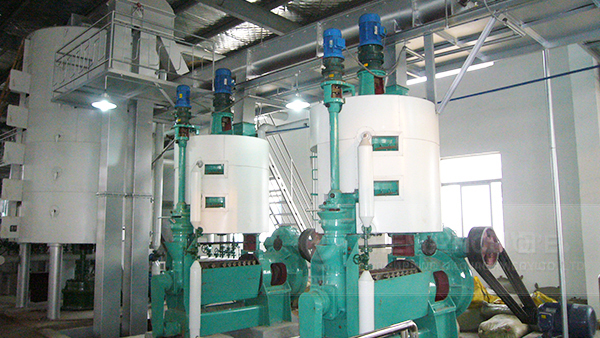
Remember: In today’s B2B landscape, buyers don’t just buy machines—they buy confidence in your process. That’s why ISO certification isn’t just paperwork—it’s a signal that your facility meets international standards for hygiene, safety, and operational excellence.
Use this checklist to narrow down options—and avoid costly missteps.
Download our free “Canola Oil Equipment Selection Evaluation Toolkit”—a step-by-step guide with checklists, ROI calculators, and vendor evaluation criteria used by top-tier producers worldwide.
Get the Free Tool Kit Now →