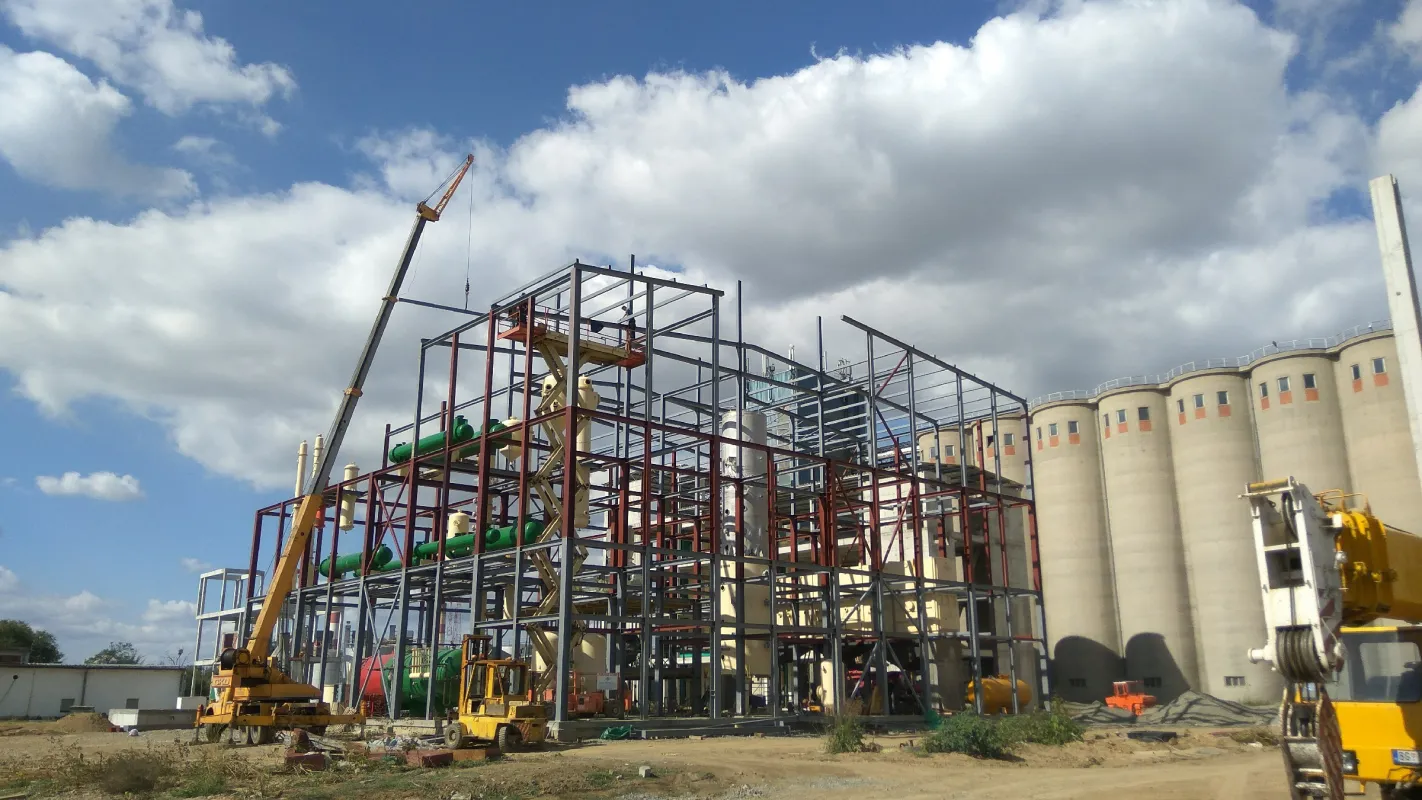
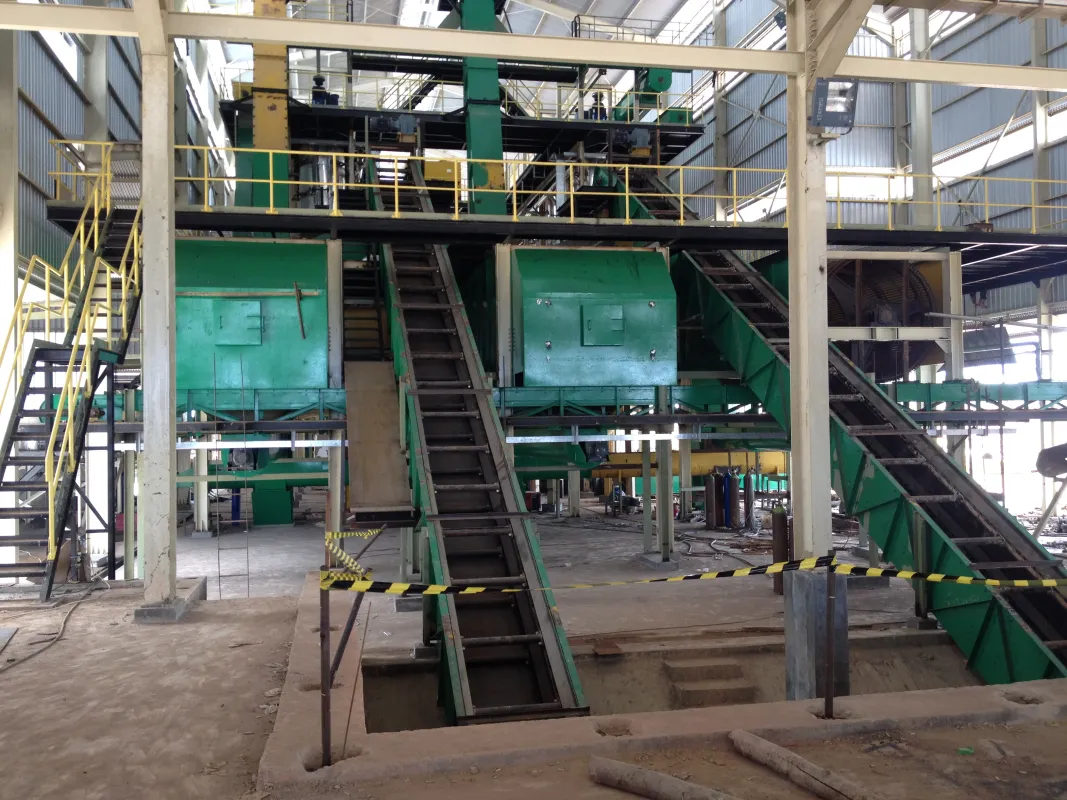
For B2B buyers in food processing, selecting the right canola oil extraction system is a strategic decision that impacts product quality, operational efficiency, and long-term profitability. Whether you're scaling up from small-scale production or upgrading existing lines, understanding the core differences between cold press and solvent extraction technologies is essential.
According to industry data from the International Association of Oilseed Processors (IAOP), cold-pressed systems typically achieve an oil yield of 75–80%, while solvent extraction can reach 95%+—making it ideal for large-volume commercial operations where maximizing output matters most.
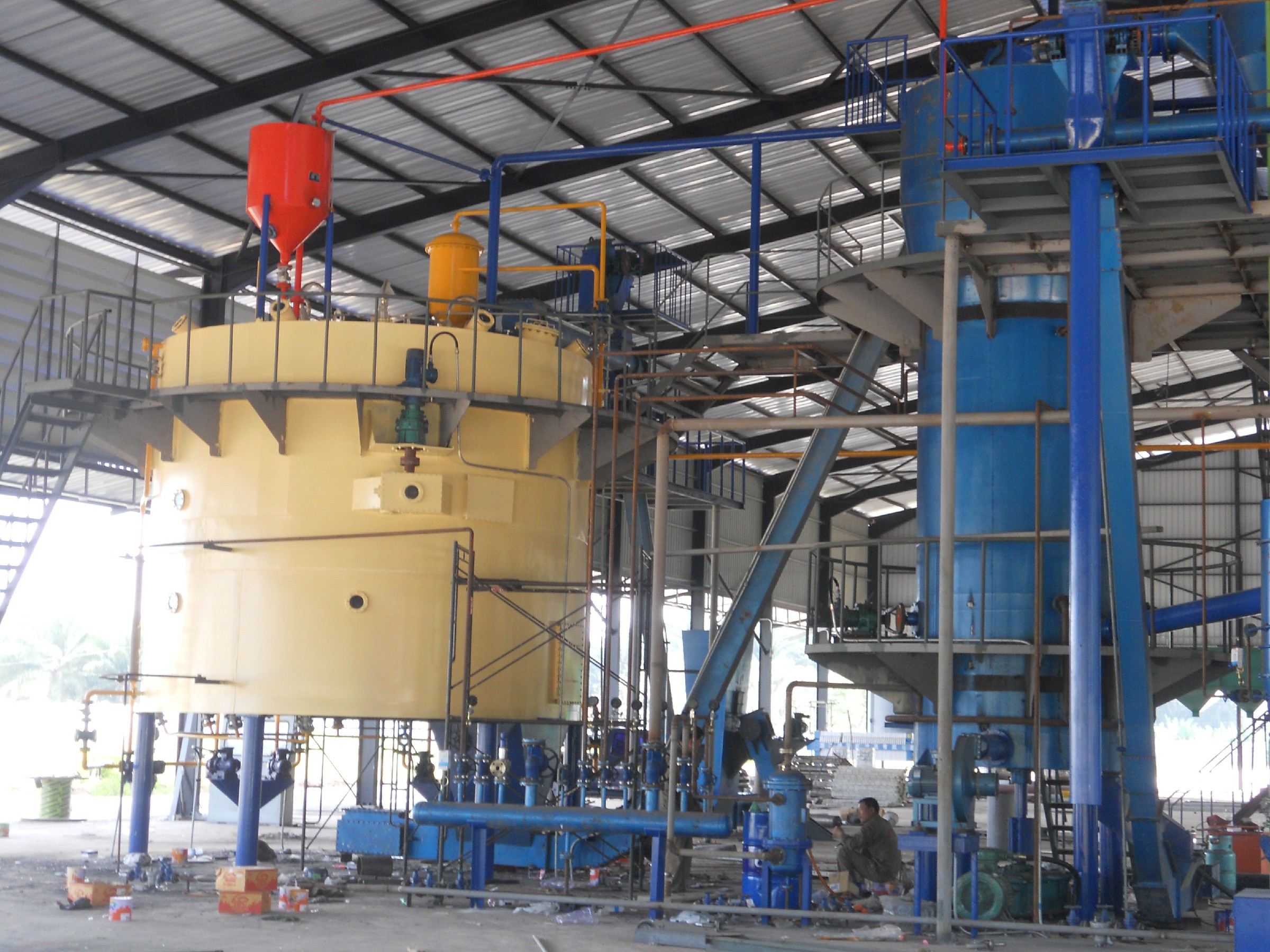
Cold pressing preserves more natural flavors and antioxidants—ideal for premium organic or health-focused brands. In contrast, solvent extraction offers consistent purity and lower operating costs per kilogram of oil produced, especially when integrated with modern automation controls like PLC-based monitoring systems.
When sourcing equipment internationally, never overlook ISO standards. A 2023 survey by SGS found that over 78% of EU and Middle East buyers prioritize machines certified under ISO 22000 or ISO 9001—not just for compliance, but for peace of mind in hygiene, safety, and traceability.
Modern control panels now include real-time alerts for temperature fluctuations, pressure drops, and contamination risks—reducing human error by up to 40% compared to manual operation, according to a case study published by Cargill’s R&D team in 2022.
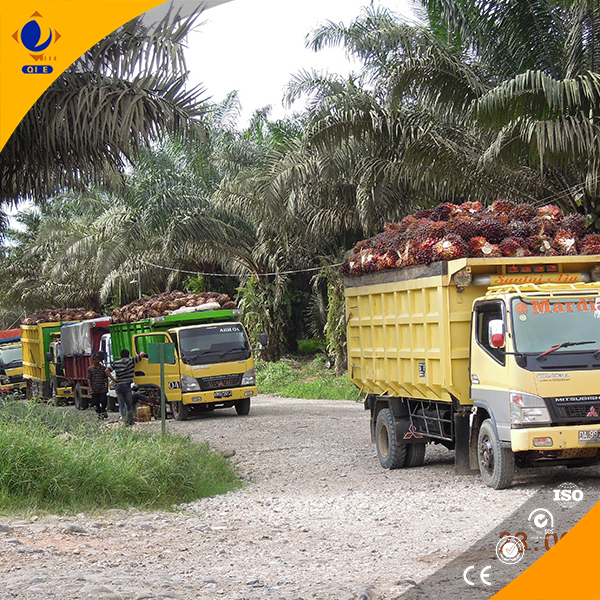
Ask yourself: Are you targeting niche markets (cold press)? Or aiming for high-volume supply contracts (solvent extraction)? The answer determines not only your capital expenditure but also your brand positioning.
For example, a mid-sized processor in Mexico increased their annual throughput by 35% after switching to a semi-automated solvent system with integrated filtration. Meanwhile, a European startup using cold press technology reported a 20% higher margin due to premium labeling and consumer trust.
Regardless of your path, ensure your chosen supplier provides detailed technical documentation, post-installation support, and ongoing training—key factors often overlooked until after installation.
Download our free Canola Oil Processing Equipment Selection Guide—packed with specs, checklists, and real-world benchmarks.
Get Your Free Guide Now →