This article is specifically designed for B2B procurement decision - makers in the foreign trade industry. It delves deep into the key performance indicators of rapeseed oil processing equipment and methods for evaluating automation control. By covering the functional advantages and differences between cold - pressing and solvent extraction production lines, and combining with strict requirements of international certification standards such as ISO, it guides enterprises to make scientific selections to achieve a dual improvement in production efficiency and product quality.
Cold - pressing and solvent extraction are two main methods in rapeseed oil production. Cold - pressing is a mechanical process that extracts oil from rapeseeds without the use of heat or chemicals. This method can retain up to 90% of the natural nutrients in rapeseeds, such as vitamin E and unsaturated fatty acids. It is suitable for small - to - medium - sized enterprises that focus on producing high - quality, natural rapeseed oil. For example, a family - owned oil mill in Italy uses cold - pressing technology to produce premium rapeseed oil, which has a high market price due to its excellent quality.
On the other hand, solvent extraction uses chemical solvents to dissolve the oil from rapeseeds. This method has a higher oil extraction rate, usually reaching 95% or more. It is more suitable for large - scale enterprises aiming for high - volume production. A large - scale rapeseed oil processing plant in Canada uses solvent extraction technology to meet the huge market demand for rapeseed oil in North America.
"Cold - pressing retains more nutrients, while solvent extraction has a higher oil extraction rate. The choice depends on the enterprise's production scale and market positioning."
Production Efficiency: In terms of production efficiency, solvent extraction lines can process a large amount of rapeseeds in a short time. For instance, a modern solvent extraction line can process up to 500 tons of rapeseeds per day, while a cold - pressing line may only process 50 - 100 tons per day.
Nutrient Retention Rate: As mentioned before, cold - pressing can retain up to 90% of the natural nutrients, while solvent extraction may reduce the nutrient content due to the use of chemicals and heat during the process.
Compliance with Safety and Hygiene Standards: Both production methods must comply with strict safety and hygiene standards. For example, in the European Union, rapeseed oil production equipment must meet the requirements of the EU Food Safety Regulations, which ensure that the oil produced is safe for human consumption.
Operational Convenience: Modern rapeseed oil production equipment is designed to be user - friendly. For example, some equipment is equipped with touch - screen control panels, which can simplify the operation process and reduce the need for skilled workers.
International certification standards such as ISO play a crucial role in ensuring product quality and production safety. ISO 9001 certification indicates that the enterprise has a reliable quality management system, which can ensure the stability of product quality. ISO 22000 certification focuses on food safety management, ensuring that the production process meets strict food safety requirements. Enterprises with these certifications are more likely to gain the trust of international customers. For example, a rapeseed oil production enterprise in China obtained ISO 9001 and ISO 22000 certifications, which helped it expand its market share in the European market.
"International certifications are like passports for rapeseed oil production enterprises in the international market, which can enhance their credibility and competitiveness."
Modern control systems can significantly improve the automation level of rapeseed oil production equipment. For example, a programmable logic controller (PLC) can be used to control the entire production process, from rapeseed feeding to oil extraction and refining. This can reduce human - error risks and improve production efficiency. According to statistics, using an automated control system can reduce production costs by 15 - 20% and increase production efficiency by 20 - 30%.
In addition, modern control systems can also monitor the production process in real - time, detect problems in time, and adjust the production parameters automatically. For example, if the temperature in the extraction process is too high, the system can automatically adjust the cooling device to ensure the quality of the oil.
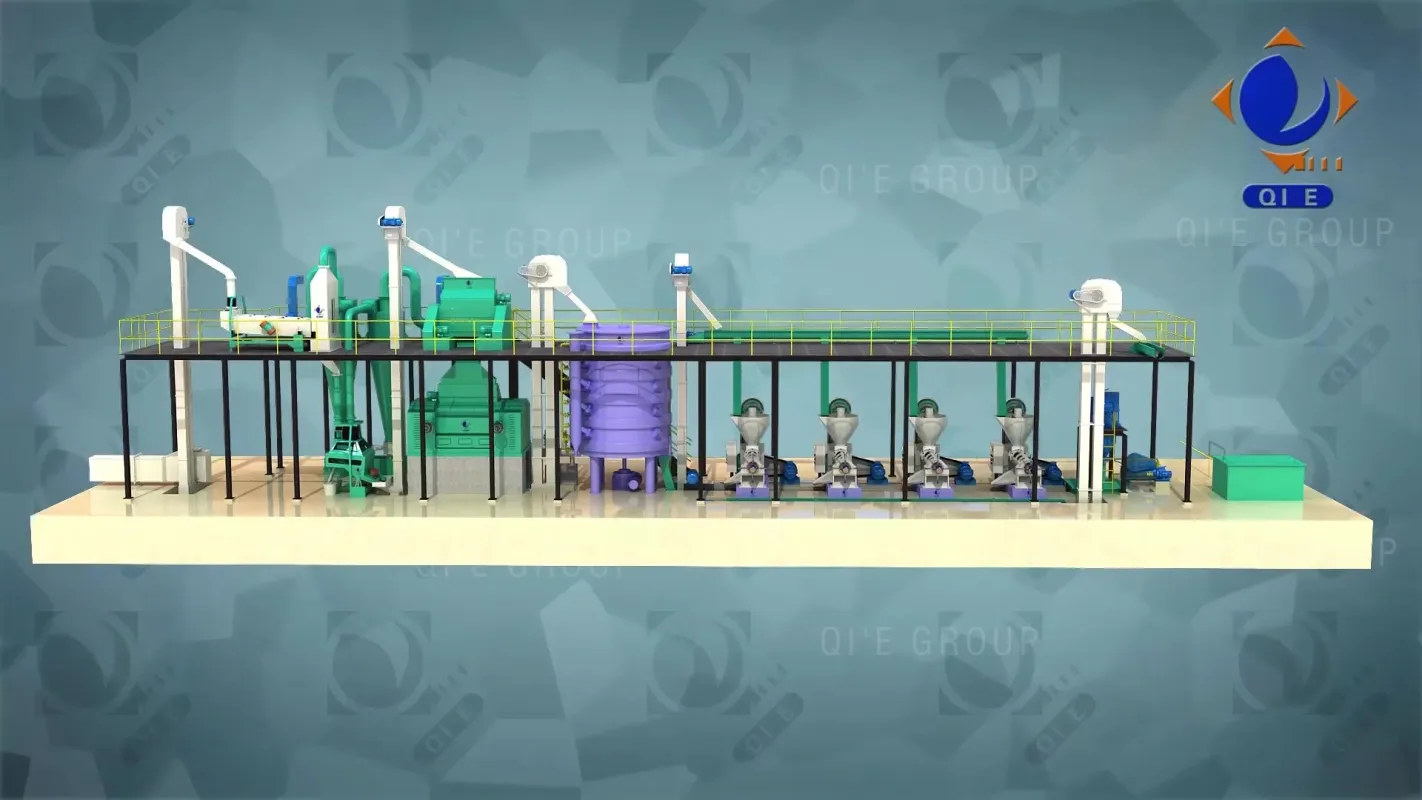
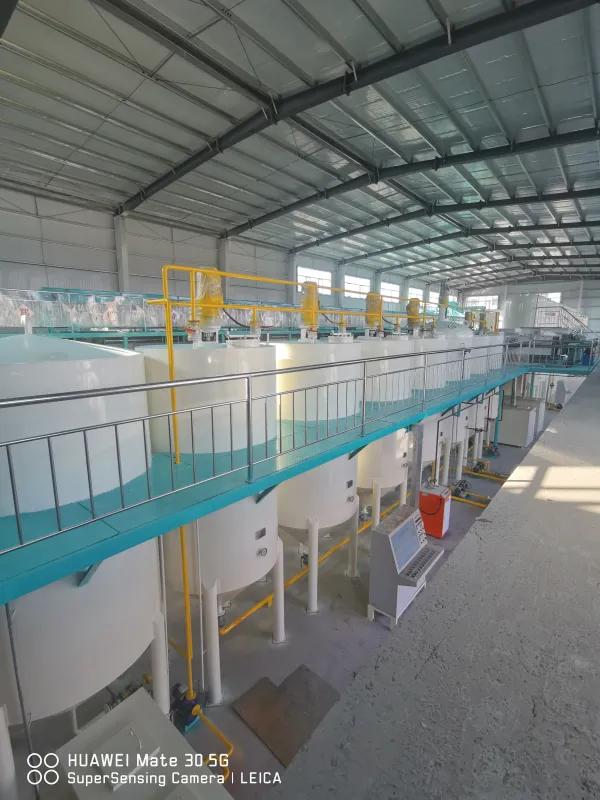
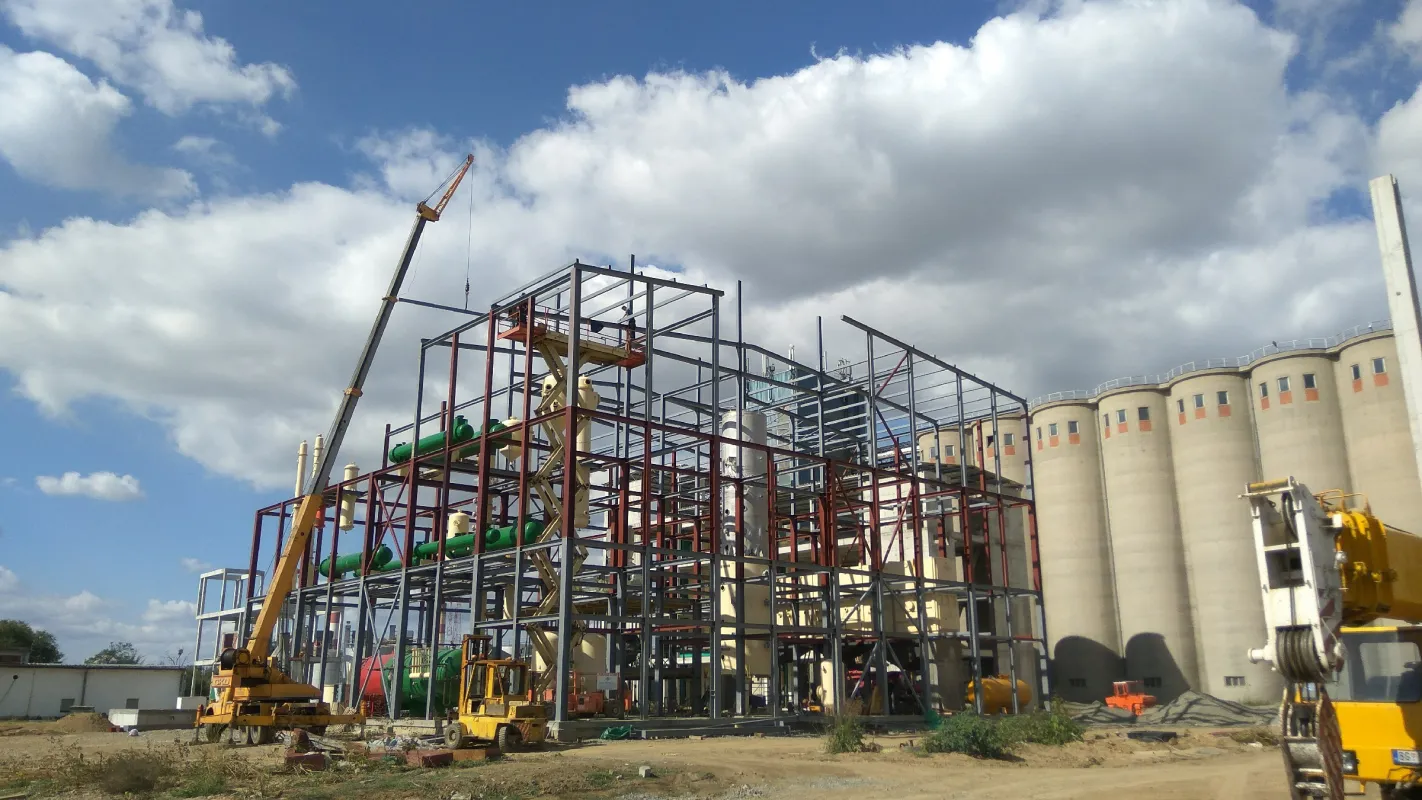
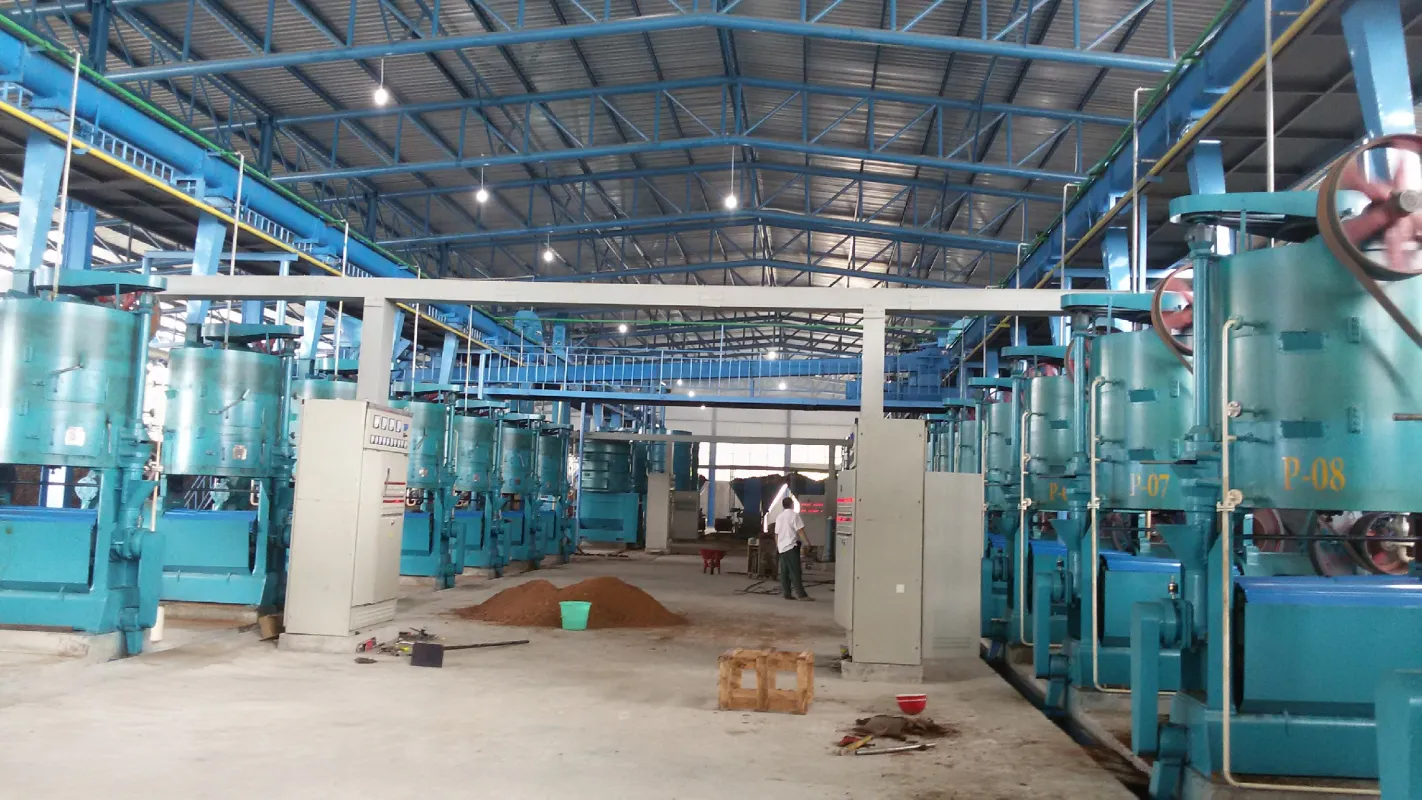
To better understand the application of rapeseed oil production equipment, this article provides some real - world case studies and flow charts. For example, a case study of a rapeseed oil production enterprise in Australia shows how it improved its production efficiency and product quality by upgrading its production equipment and control systems. The flow chart can clearly show the production process, from raw material input to the final product output, which can help enterprises better understand the operation process of the equipment.
When purchasing rapeseed oil production equipment, enterprises should also pay attention to after - sales service and technical support. A reliable after - sales service team can provide timely maintenance and repair services, which can ensure the normal operation of the equipment. Technical support can help enterprises solve technical problems in the production process and continuously improve production efficiency. For example, a rapeseed oil production enterprise in India chose a supplier with excellent after - sales service and technical support, which helped it quickly solve the problems encountered in the production process and ensure the smooth progress of production.
For more information, you can consult our professional technical advisors and download the equipment manual. We are committed to providing you with the most professional and detailed information.
Immediately consult professional technical advisors to get a customized rapeseed oil production line solution!