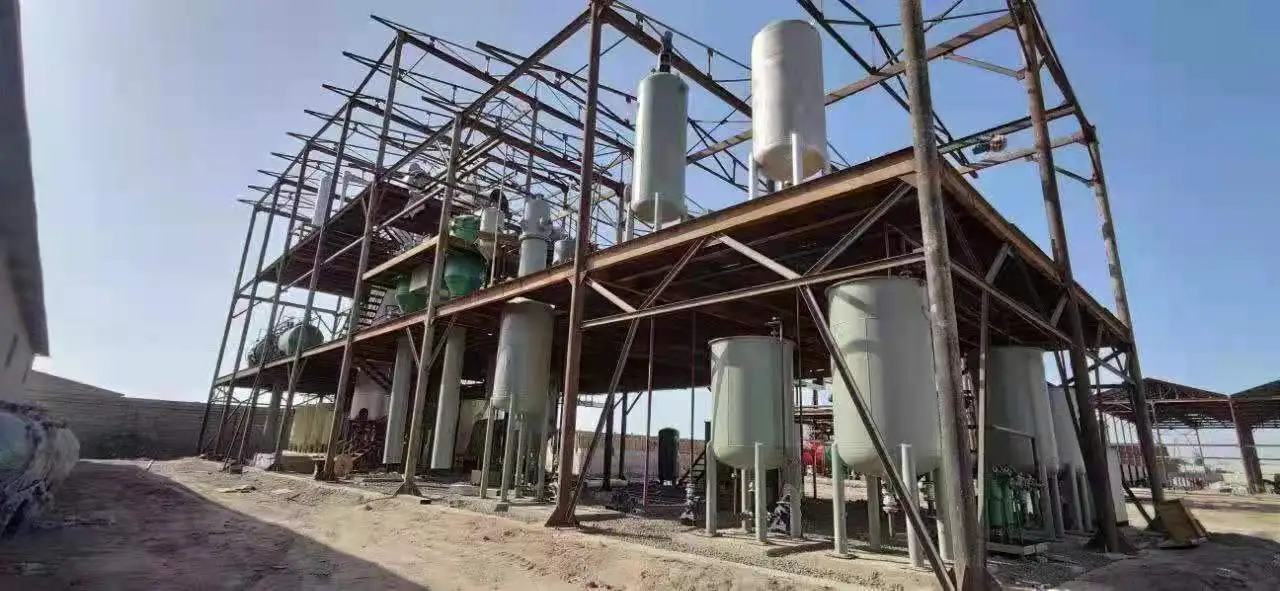
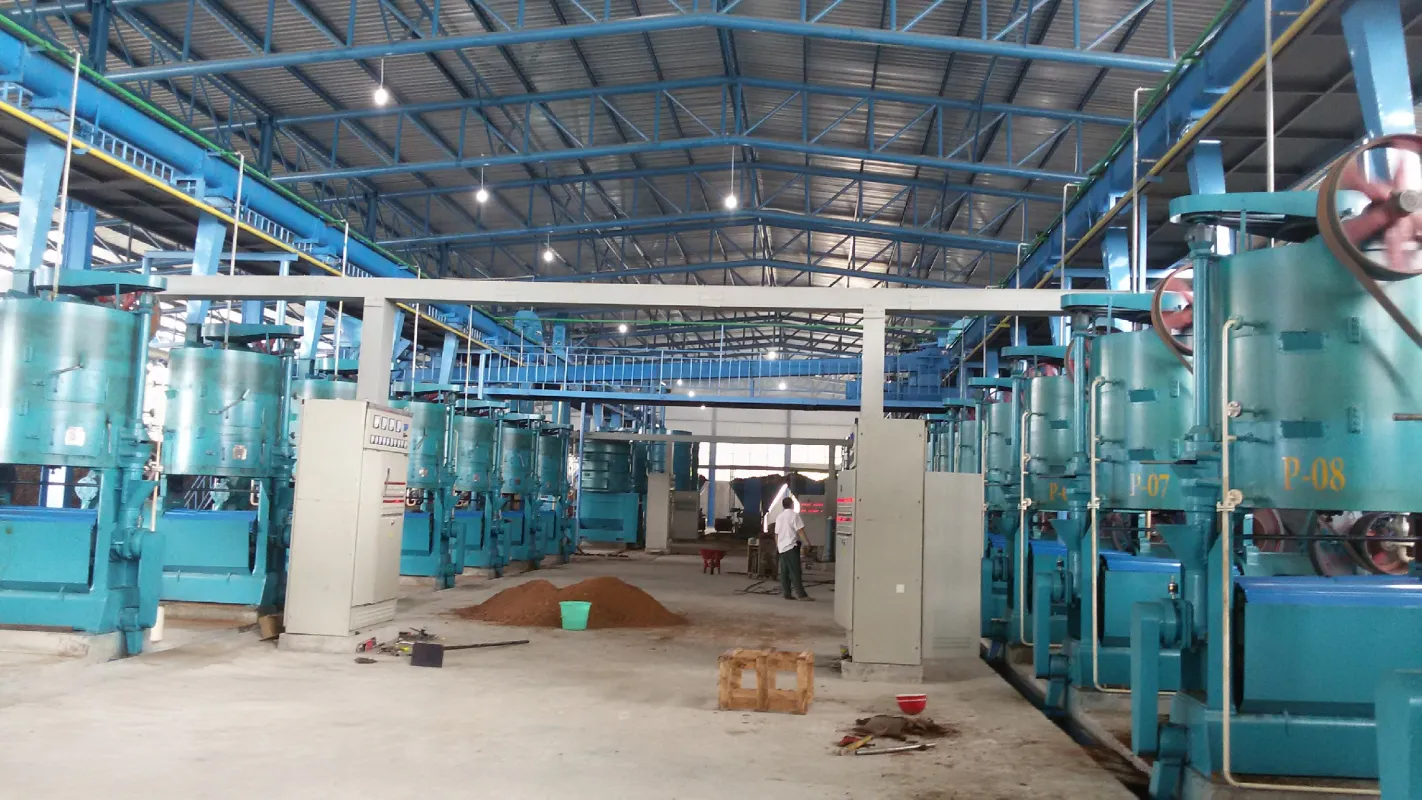
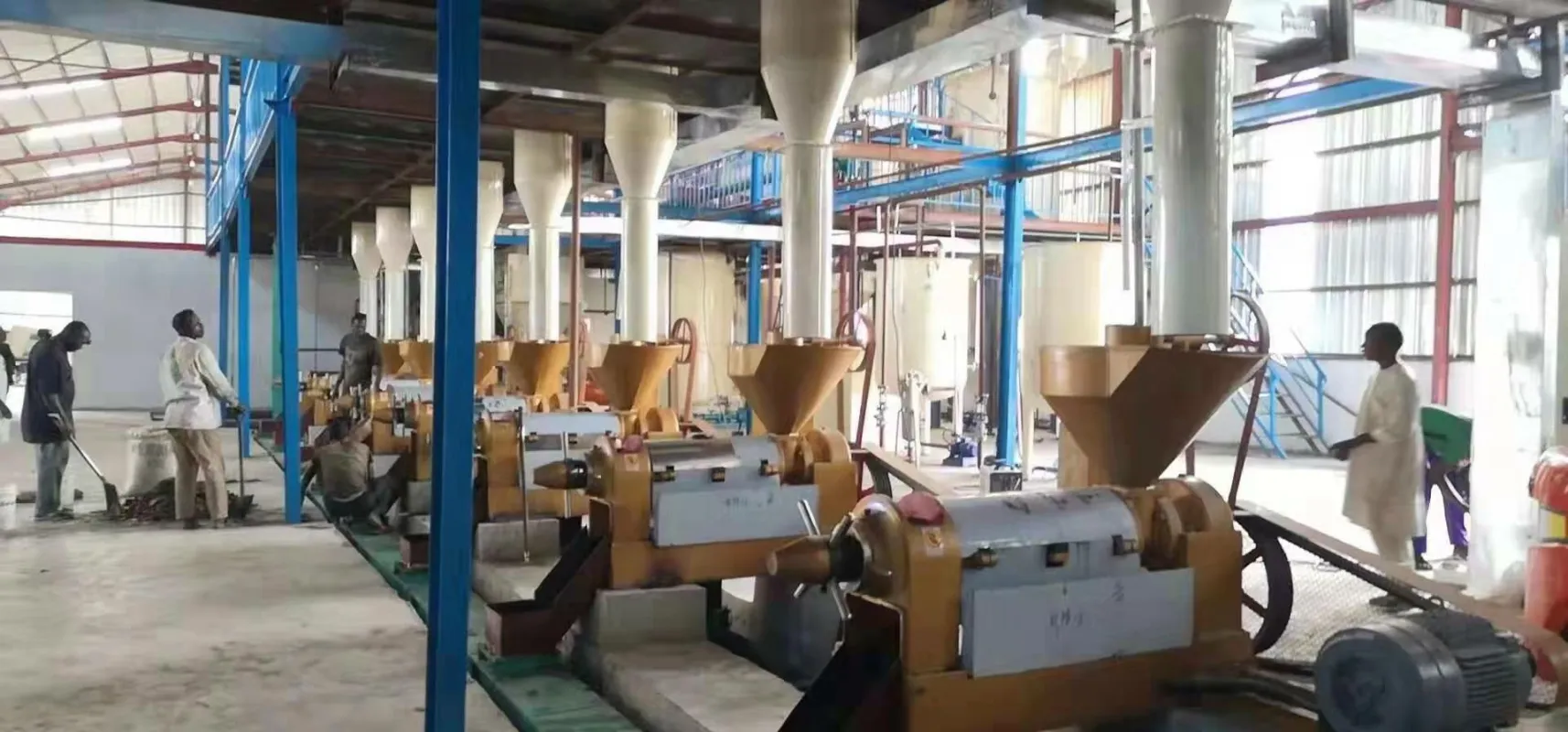
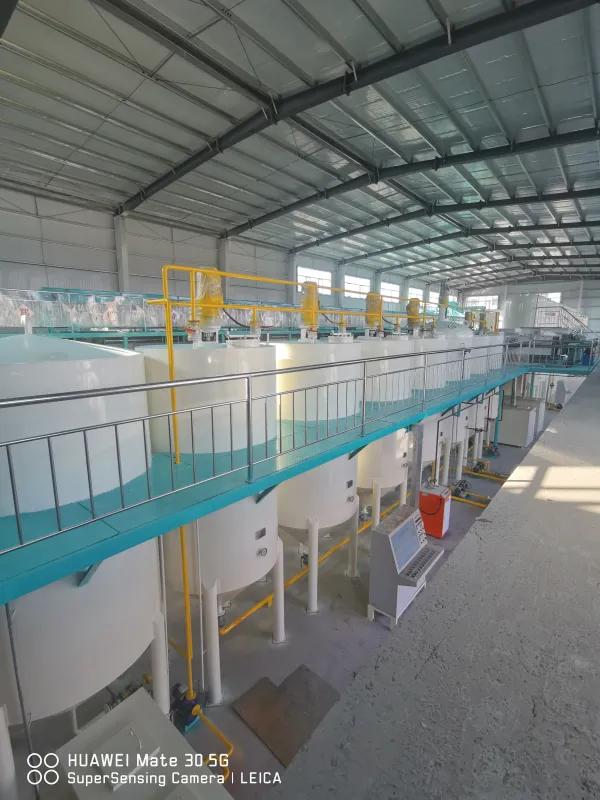
Cottonseed oil production hinges critically on the pretreatment phase, where high-quality automated cleaning and dehulling systems play an essential role. These systems, by efficiently removing impurities, precisely controlling moisture content, and optimizing mechanical hull removal, can significantly elevate oil extraction rates and crude oil purity. Compared to traditional manual processing, automation brings enhanced consistency, reduced labor costs, and improved equipment reliability, making it indispensable to modern cottonseed oil processing facilities.
The first critical step in pretreatment focuses on removing foreign materials such as stems, stones, dust, and damaged seeds. Modern automated cleaning systems integrate multi-stage sieving, magnetic separation, and air classification. Industry data shows that high-efficiency cleaning can reduce impurity levels by over 95%, thus protecting downstream equipment and ensuring excellent raw material quality. Maintaining moisture at an optimal 6-8% via calibrated washing and drying is crucial to maximize subsequent oil yield.
Moisture content significantly impacts the dehulling efficiency and oil extraction rate. Overly wet cottonseeds can lead to hull clumping and inefficient separation, while overly dry seeds are prone to cracking, which diminishes oil yield. Automated drying units integrated with humidity sensors facilitate real-time moisture calibration, achieving a consistent moisture profile within ±0.5%. This precision ensures mechanical hulling equipment operates at peak performance, raising oil yield by up to 7% compared to unregulated moisture conditions.
Automated mechanical dehulling systems utilize differential rotor speeds and adjustable clearance settings to delicately separate husks from kernels. Advanced models achieve a kernel loss below 3%, which translates into a significant increase in oil available for extraction. Compared to manual dehulling, automation improves operational throughput by 30-40% while maintaining consistent output quality. Precise control prevents kernel damage, preserving oil integrity and boosting the overall product competitiveness.
A leading cottonseed oil manufacturer recently upgraded their pretreatment process to a fully automated cleaning and dehulling line. Post-upgrade figures revealed an 8% rise in oil extraction rates and a 15% reduction in labor costs. Equipment downtime decreased by 25%, thanks to modular maintenance practices addressing common issues such as clogging and wear of abrasion-prone parts. The company’s gains exemplify how technology synergizes efficiency and profitability.
Operational hiccups such as system clogging, inconsistent flow rates, and wear of dehulling components can compromise productivity. Modular design in automated systems enables quick replacement of high-wear parts without halting production. Automated flow sensors and adaptive control software provide early warnings to adjust process parameters, minimizing stoppages. Adopting proactive maintenance protocols extends equipment lifespan by up to 20%, contributing to more stable output.
Integrating such advanced pretreatment solutions aligns perfectly with the “QIE Group”’s commitment to cottonseed oil pretreatment, automatic cleaning systems, dehulling technology, and elevating oil yield. Embracing automation ensures both quality control and sustainability in modern grain and oil processing, making it a strategic investment for industry leaders.