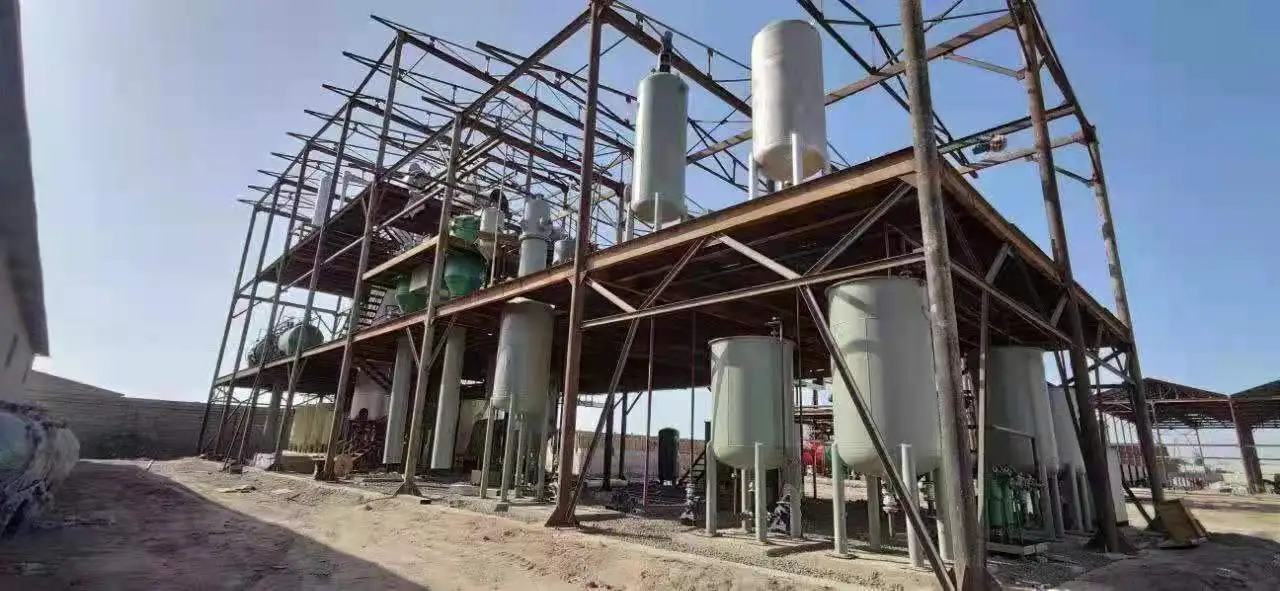
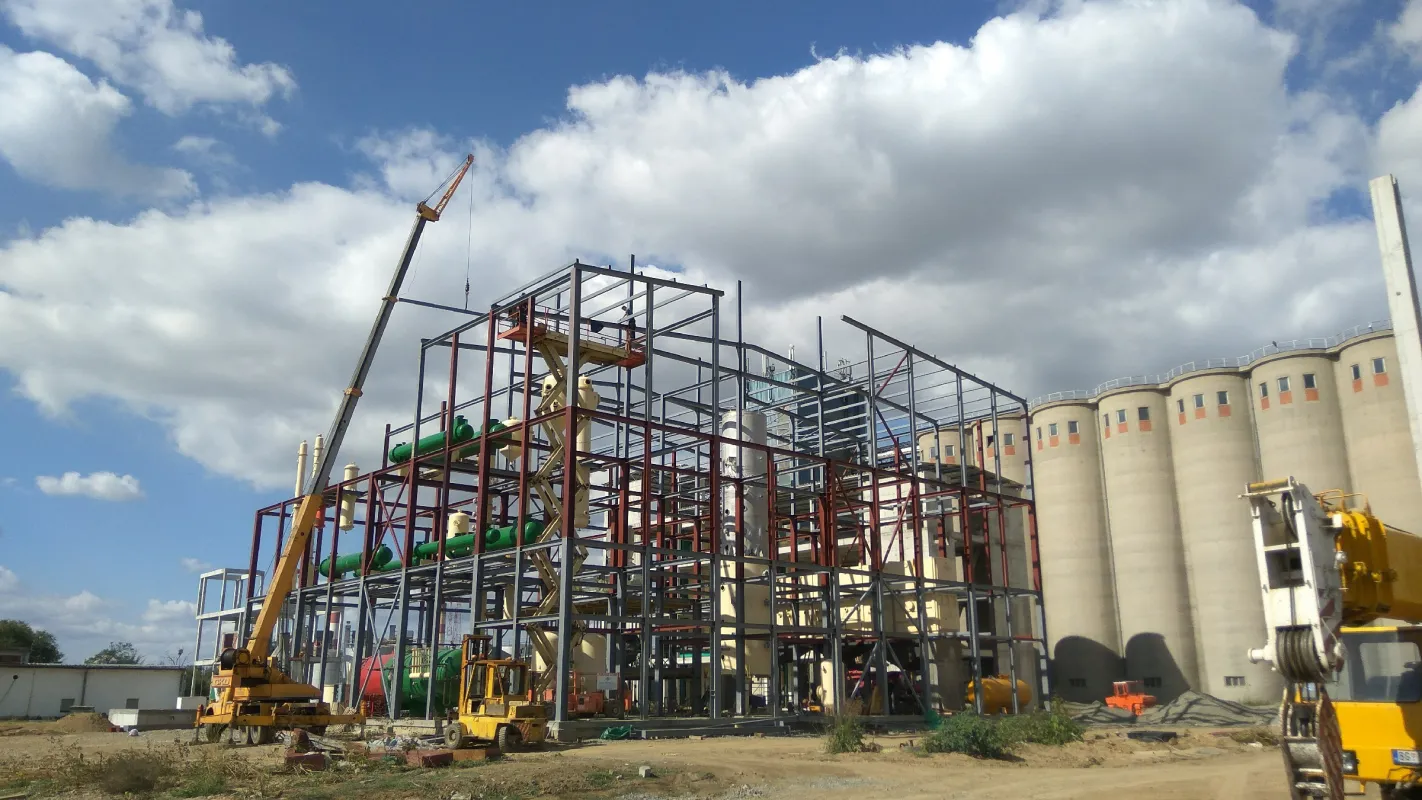
When it comes to procuring rapeseed oil production equipment, food processing enterprises often find themselves in a maze of technical complexities and potential risks. The lack of in - depth knowledge about the equipment's technology, safety standards, and production efficiency can lead to sub - optimal purchasing decisions. For instance, an enterprise might invest in equipment that fails to meet the required production capacity or does not adhere to international safety and quality standards, resulting in production disruptions and financial losses.
The cold - pressing process is a traditional and natural method of extracting rapeseed oil. It involves extracting oil from rapeseeds at low temperatures, generally below 60°C. This process retains the natural flavor, aroma, and nutritional value of the rapeseed oil, making it highly popular in the high - end market. According to industry research, cold - pressed rapeseed oil can retain up to 90% of its natural antioxidants.
However, the cold - pressing process has relatively low oil extraction efficiency, typically around 30% - 35%. It is suitable for small - scale production and for markets that prioritize the quality and natural properties of the oil, such as the organic food market.
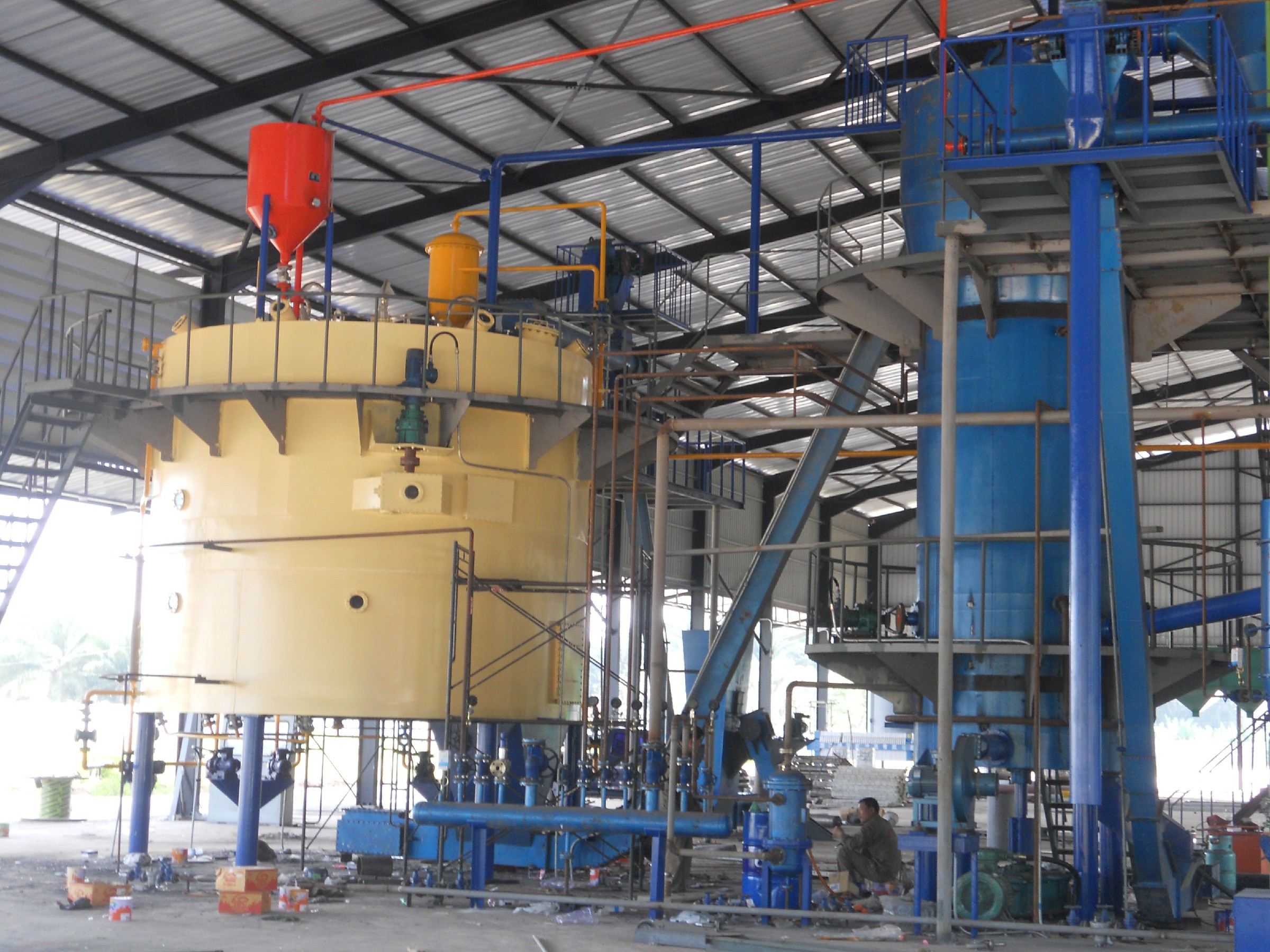
The solvent - extraction process, on the other hand, uses solvents (such as hexane) to extract oil from rapeseeds. This process has a much higher oil extraction efficiency, reaching up to 95%. It is suitable for large - scale production and can significantly reduce production costs.
But the solvent - extraction process may involve the use of chemicals, which requires strict control of the solvent residue in the final product. The oil produced by this process may have a relatively less natural flavor compared to cold - pressed oil.
ISO certification plays a crucial role in the rapeseed oil production equipment industry. ISO standards set strict requirements for equipment materials, process control, and food safety. For example, ISO 22000:2005 focuses on food safety management systems. It requires that equipment materials are non - toxic, corrosion - resistant, and easy to clean to prevent cross - contamination.
An equipment with ISO certification ensures that the production process is standardized and traceable. This helps food processing enterprises meet international market requirements and gain the trust of customers. QIE Group full - line equipment has passed ISO certification, ensuring that every drop of oil produced meets international quality standards. This not only guarantees the safety and quality of the products but also enhances the market competitiveness of the enterprises.
“ISO standards are designed to ensure that products, services, and systems are safe, reliable, and of good quality. ” - International Organization for Standardization
Modern control systems have revolutionized the rapeseed oil production process. They offer features such as automated operation, real - time monitoring, and remote control. These systems can significantly improve operational convenience and reduce the risk of human error. For example, an automated control system can precisely control the temperature, pressure, and flow rate during the oil extraction process, ensuring consistent product quality.
Research shows that enterprises using advanced control systems can reduce production errors by up to 40% and improve production efficiency by 20% - 30%.
Let's take a look at a real - world example of a food processing enterprise. By investing in high - compliance rapeseed oil production equipment with ISO certification and advanced control systems, a company was able to expand its market share both domestically and internationally. The consistent quality of its products earned the trust of customers, and the improved production efficiency reduced costs, making the company more competitive in the market.
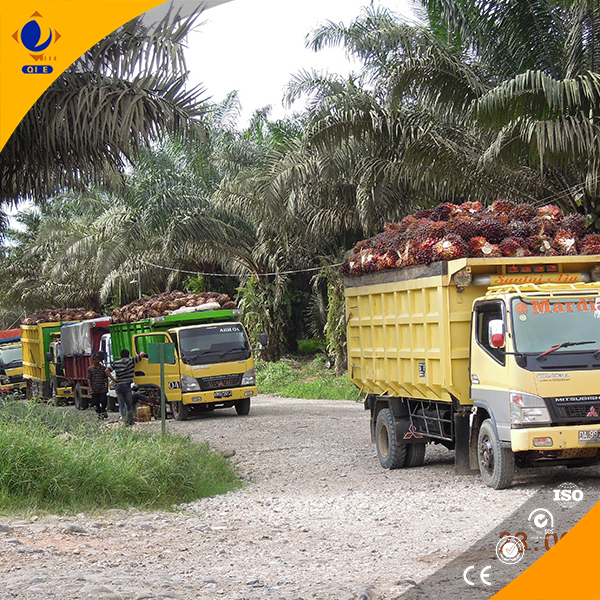
From the perspective of ISO certification, food processing enterprises should comprehensively evaluate the value of rapeseed oil production equipment. They need to consider factors such as the production process, equipment materials, and control systems. By choosing equipment that meets international standards, enterprises can ensure high - quality production, reduce production risks, and enhance their market competitiveness.
Are you looking for the perfect rapeseed oil production equipment? Download our equipment selection handbook now!