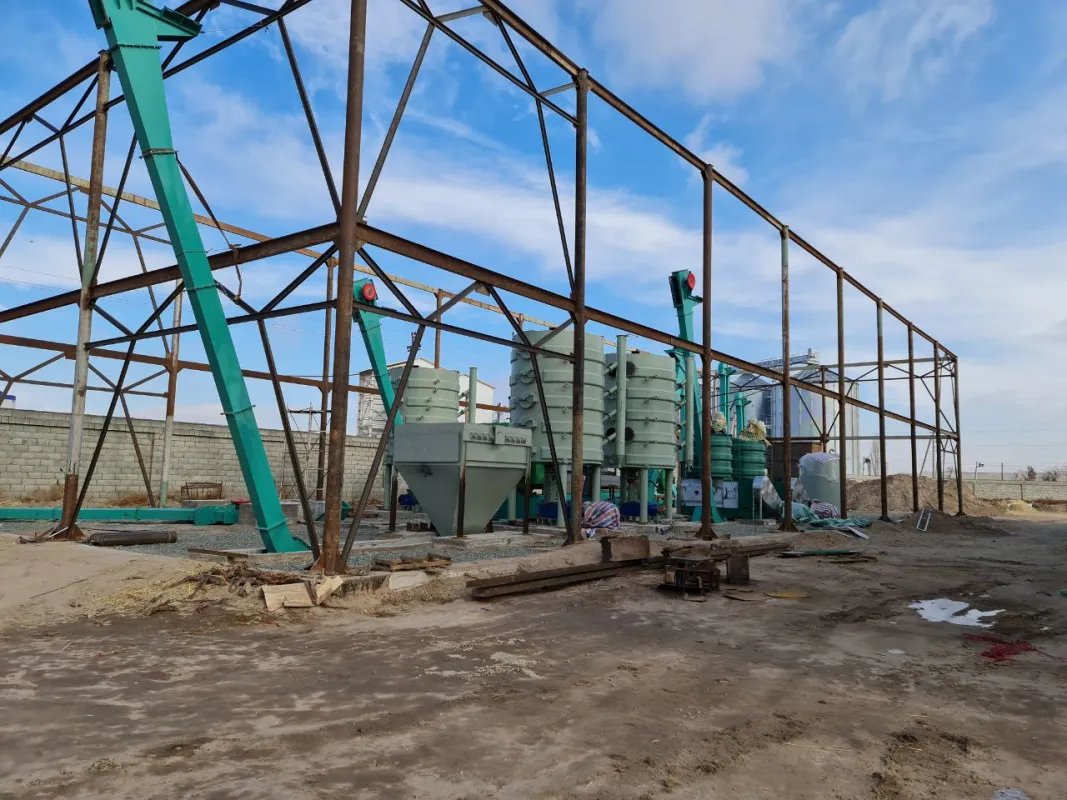
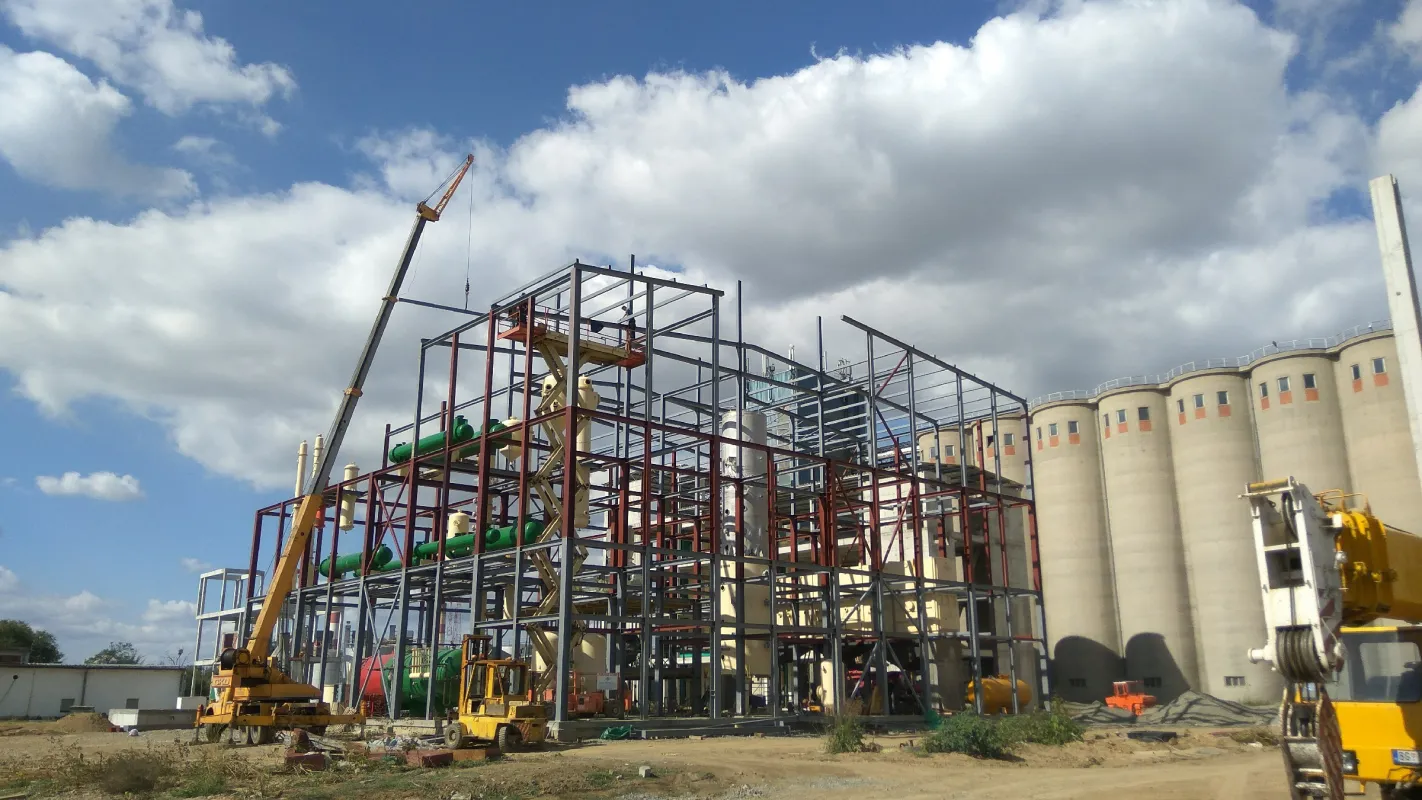
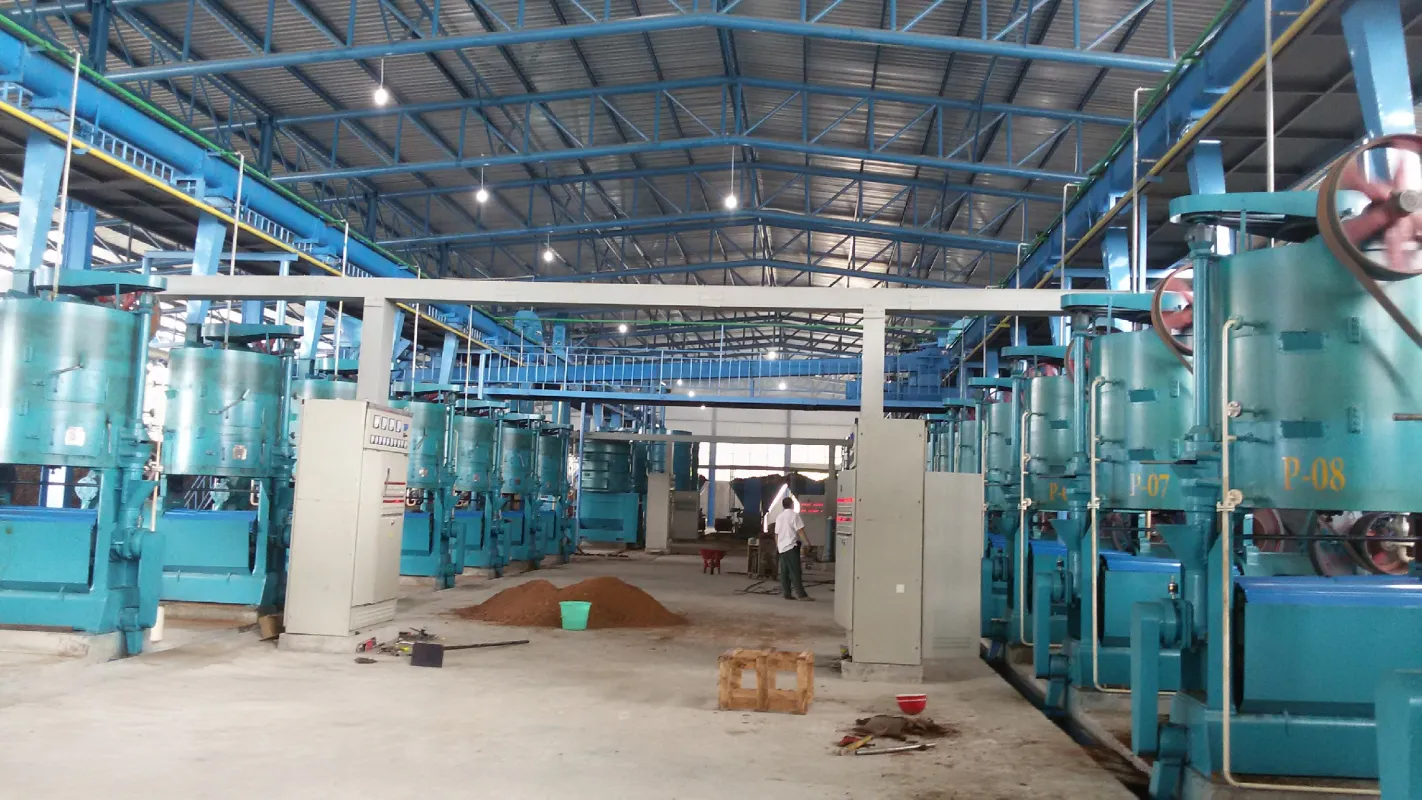
With global food safety standards tightening—especially under FDA, EU HACCP, and ISO 22000 requirements—small sesame oil manufacturers must prioritize equipment hygiene to avoid contamination risks. According to the Food Safety News (2023), over 60% of small food processors fail initial audits due to poor cleaning practices in processing lines.
While many SMEs still use carbon steel for cost reasons, it’s a false economy. Food-grade 304 stainless steel has a chromium content of at least 18%, making it highly resistant to corrosion, oxidation, and microbial growth. In contrast, untreated carbon steel can rust within 7–10 days when exposed to moisture—a major risk in high-humidity environments like sesame oil extraction zones.
A study by the International Journal of Food Engineering (2022) found that facilities using 304 SS reported 42% fewer microbial incidents compared to those with non-stainless equipment. This isn’t just about compliance—it’s about trust. Buyers from Europe and North America now routinely request material certifications before placing orders.
Traditional open systems expose raw seeds and finished oil to airborne particles, dust, and humidity. A full-seal design minimizes exposure to external contaminants—an essential feature for meeting GMP (Good Manufacturing Practice) guidelines. For example, one Thai producer reduced mold spore counts by 90% after switching to sealed conveyors and enclosed tanks.
| Cleaning Frequency | Key Action | Expected Outcome |
|---|---|---|
| Daily | Wipe down surfaces with food-safe sanitizer | Prevents biofilm buildup |
| Weekly | Inspect joints, valves, and seals | Catches early wear or leaks |
| Monthly | Full CIP cycle with alkaline + acid wash | Eliminates residual oils and bacteria |
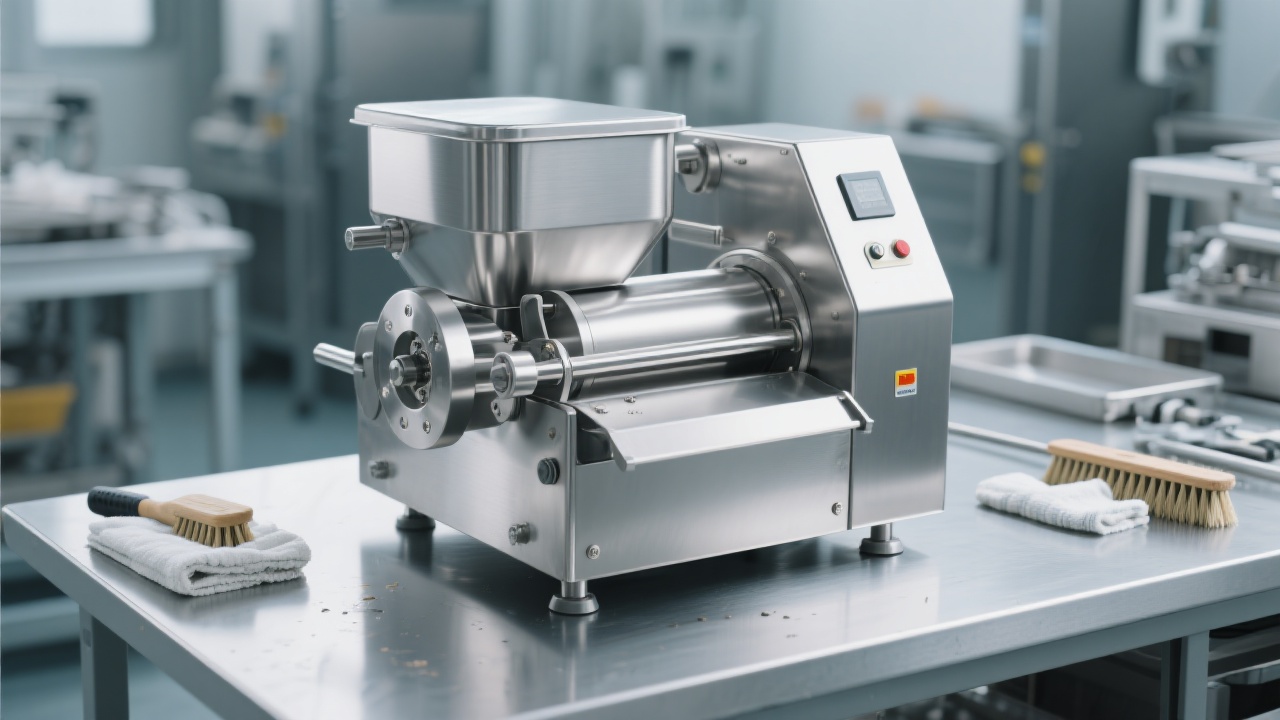
Installing a CIP (Clean-in-Place) system may seem complex, but modern modular units allow installation in under 48 hours. Most systems run on programmable logic controllers (PLCs), enabling repeatable cycles that reduce human error by up to 75%. One Indian exporter saw a 30% increase in production uptime after automating their cleaning routine.
“If your facility doesn’t have a documented cleaning protocol, you’re not compliant—not even if your product is safe.”
— Dr. Lena Patel, Food Safety Consultant, Global Food Alliance
Don’t wait for an audit to realize your system needs improvement. Start today with a simple checklist—and build a culture of continuous hygiene. The return? Lower risk, higher efficiency, and stronger buyer confidence.
Get our free downloadable PDF: "5 Steps to Build a Hygienic, ISO-Compliant Sesame Oil Facility"
Download Now – No Email Required