In 2024, the rapeseed oil processing industry is witnessing significant changes in international certification standards, which have a profound impact on B2B enterprises. This article aims to comprehensively analyze these standards and the equipment compliance requirements, providing valuable insights for procurement decision - makers and technical evaluation experts.
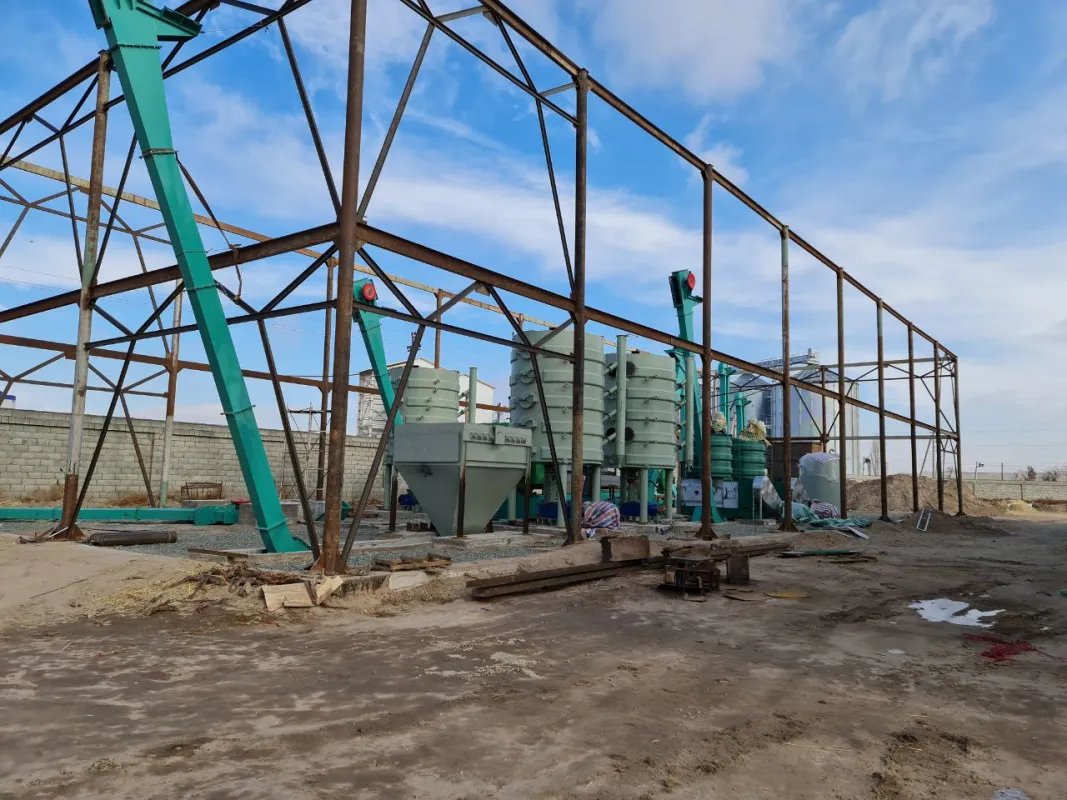
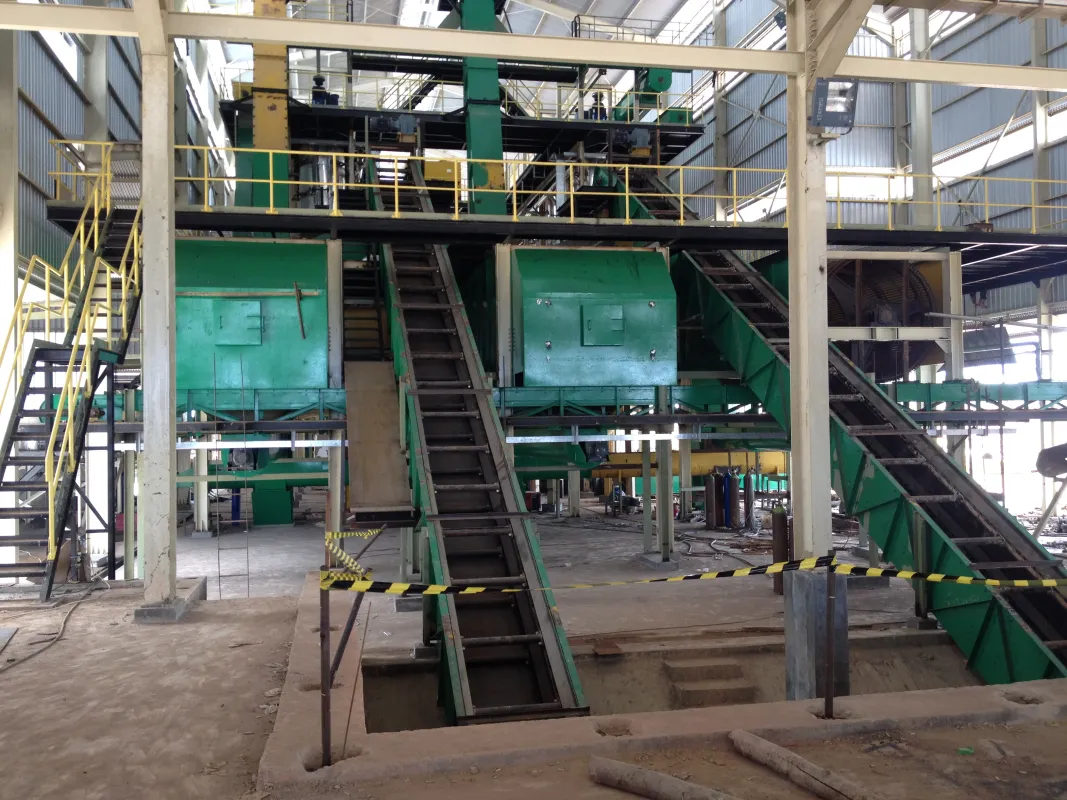
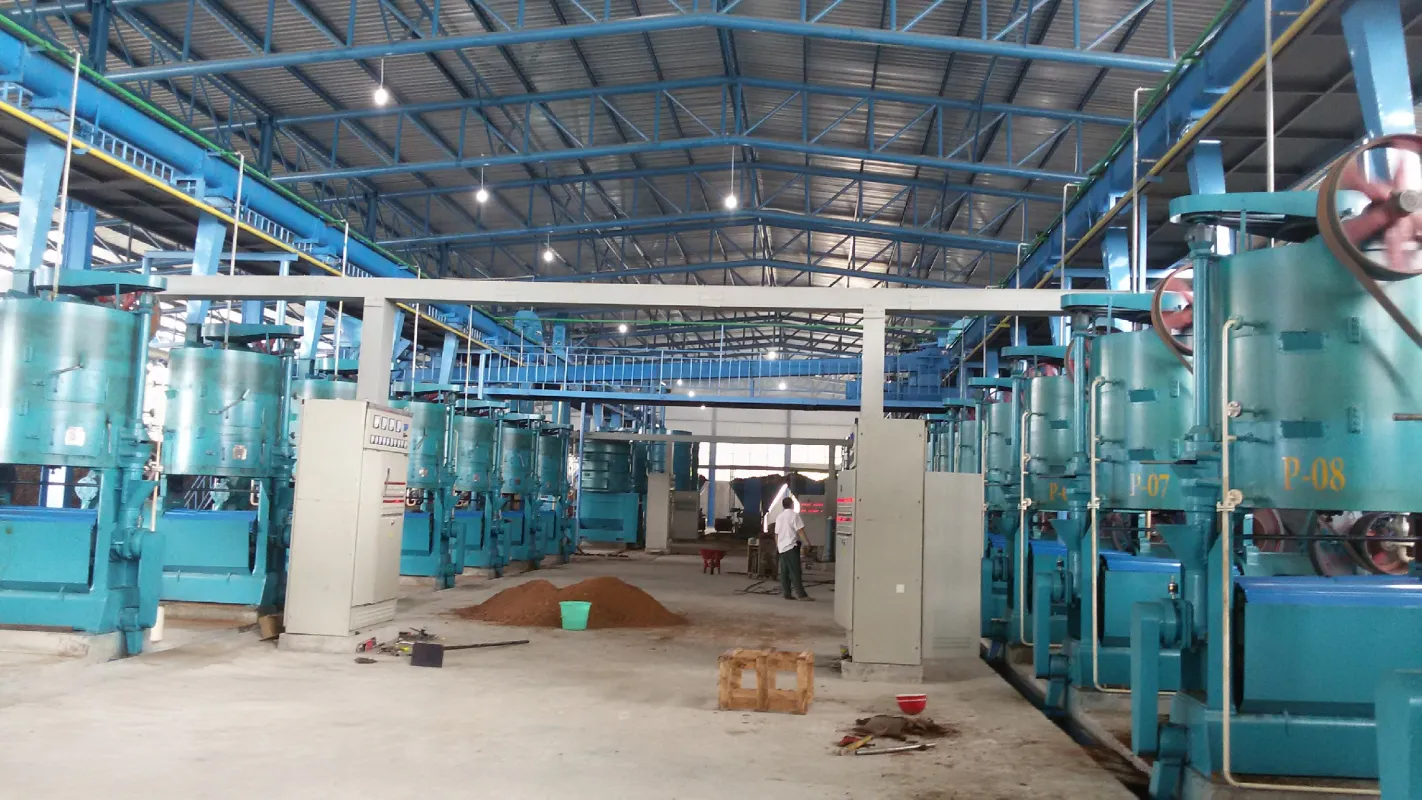
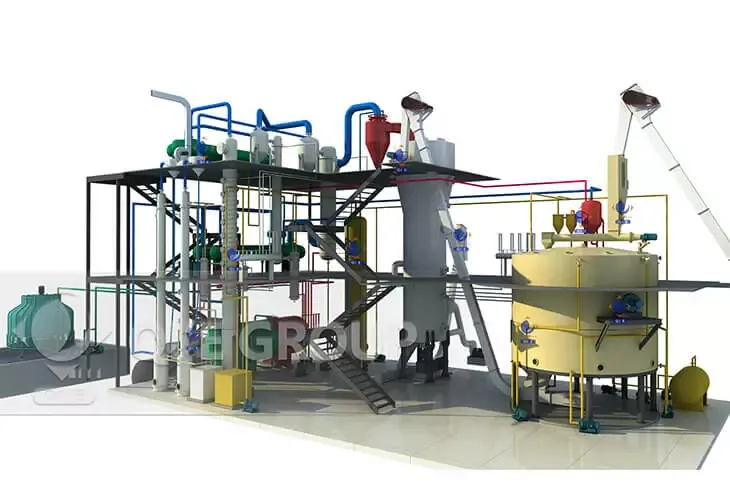
There are two core types of rapeseed oil processing equipment: cold - pressing and solvent extraction lines. Cold - pressing is a mechanical method that extracts oil from rapeseed without using heat, which can retain up to 90% of the nutrients in the rapeseed, such as vitamins and antioxidants. It is suitable for high - end product markets that value natural and healthy products. In contrast, solvent extraction can achieve a higher oil yield, typically around 95%, but it may require additional refining processes to remove residual solvents. It is more suitable for large - scale production with cost - efficiency in mind.
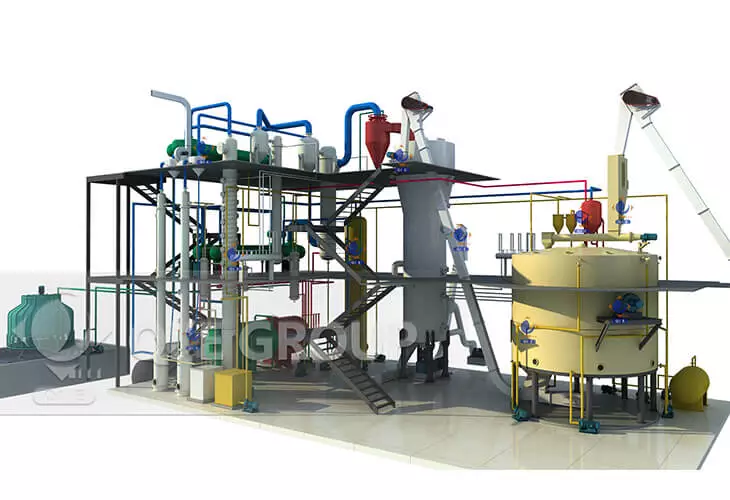
When evaluating rapeseed oil processing equipment, several key performance indicators should be considered. Capacity efficiency is crucial, especially for large - scale B2B production. A modern cold - pressing line can process about 5 - 10 tons of rapeseed per day, while a solvent extraction line can handle 20 - 50 tons or more. Nutrient retention is also an important factor. As mentioned before, cold - pressing has an advantage in this aspect. Cost control includes not only the initial equipment purchase cost but also long - term operating costs, such as energy consumption and maintenance.
International certification standards, such as ISO, play a vital role in the design and operation of rapeseed oil processing equipment. ISO standards ensure that the equipment meets strict safety and hygiene requirements. For example, ISO 22000 focuses on food safety management, which requires equipment to prevent contamination and ensure product quality. Equipment that meets these standards can enhance the credibility of enterprises in the international market and reduce the risk of product recalls.
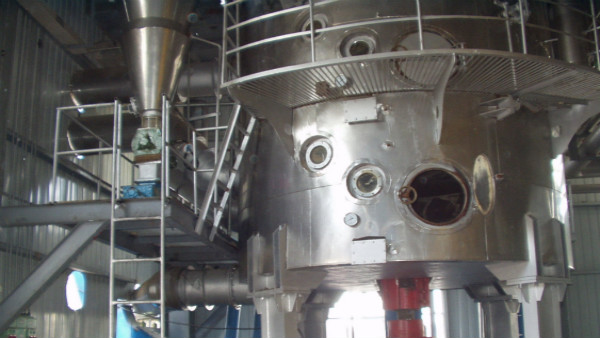
Modern automated control systems have become an essential part of rapeseed oil processing equipment. These systems can improve operational convenience by allowing operators to monitor and control the production process remotely. They can also reduce human errors, which are estimated to account for about 15 - 20% of production problems in traditional manual - controlled systems. Additionally, smart monitoring functions can detect potential equipment failures in advance, reducing downtime and maintenance costs.
In recent years, many B2B enterprises have successfully upgraded their rapeseed oil processing equipment according to the latest standards. For example, a European company replaced its old cold - pressing line with a new ISO - certified automated system, which increased production efficiency by 30% and reduced labor costs by 25%. The industry is also moving towards more environmentally friendly and energy - efficient technologies, such as the development of new solvents in solvent extraction processes.
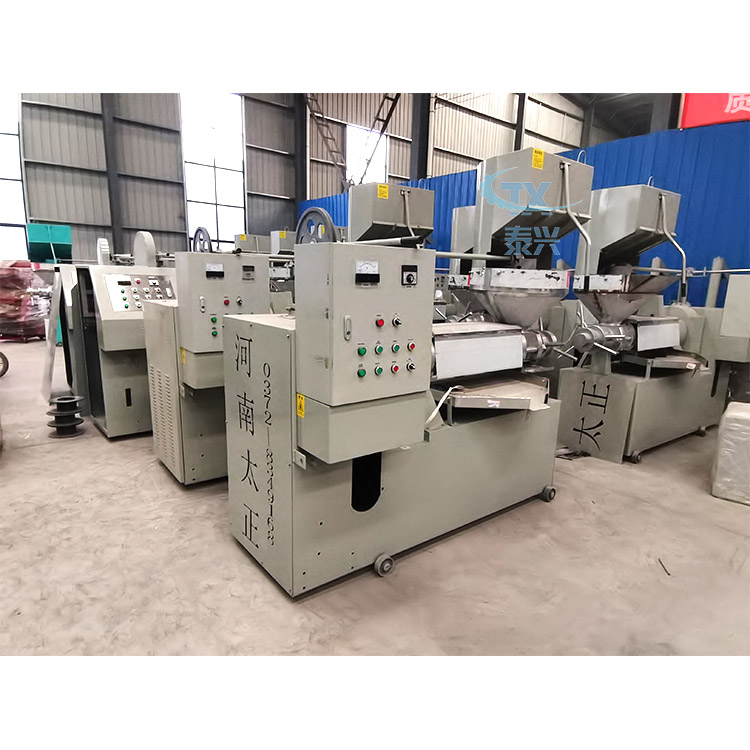
To help you better understand the rapeseed oil processing equipment and make informed decisions, we offer a detailed technical manual and a free product demonstration. Our professional after - sales service team is always ready to provide support. Don't miss this opportunity to enhance your production efficiency and market competitiveness!
Download the Manual and Book a Demo Now!